Questionnaire Taxation for a Small Business Working at Home

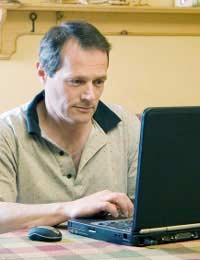
Small business owners cannot turn a blind eye to their own tax affairs, even if they use an accountant. There are some tax matters that only the individual business owner (whether sole trader, partnership or limited company) can deal with. Sensible background reading is advised to understand how tax affects you and your business. Take our questionnaire, making a note of each answer, then check your score and our explanations below.
1. Who deals with tax affairs in the UK?
- a. HM Revenues & Customs (HMRC)
- b. Inland Revenue
- c. The Tax Office.
2. Can you be self-employed as well as employed?
- a. No, if you’re setting up a business at home, you are self-employed and cannot be employed by someone else as well
- b. Yes, but you must tell your other employers
- c. Yes, you can be both
3. Should your business be VAT (Value Added Tax) rated?
- a. You can only register as VAT-rated if your business turnover is £81,000 or greater (2014/15 figure)
- b. You can choose to register as VAT-rated at any time you choose
- c. You do not need to register for VAT if you are a sole trader
4. If and when you are VAT-rated, it means:
- a. You don’t have to pay VAT on anything ever
- b. You can reclaim VAT on most business purchases, but you have to charge VAT on all sales
- c. You must learn all the VAT rules to be able to do your accounts
5. With regard to National Insurance:
- a. It is of no concern to the self-employed
- b. If your profits are below a certain level, you don’t need to register
- c. If you are self-employed, you must register for self-employed NI contributions by contacting HMRC
6. With regard to self-assessment for tax:
- a. You must return your form by 30 September each year
- b. You cannot self-assess yourself as a business and must use an accountant
- c. You must return your form by 31 January as long as you calculate your tax yourself
Points are given like this:
1. a) 3 b) 2 c) 12. a) 0 b) 1 c) 3
3. a) 1 b) 3 c) 0
4. a) 0 b) 3 c) 1
5. a) 0 b) 1 c) 3
6. a) 1 b) 0 c) 3
Add up the scores from your answers.
How did you score?
0-6: You are in the dark about the dark arts of tax. Although you might use an accountant (and you should if you know this little), you should also read more on the subject if you are running your own business, however small.7-13: You have some inkling about the way tax works for small businesses. You probably rely on an accountant to deal with your tax affairs, and that is sensible. However, you should carry on reading about tax and small businesses to improve your knowledge.
14-18: You have a very good understanding of the way tax works for small businesses. It is probably still best to use an accountant, but with your knowledge you can check through his work and make sure you are fully on top of your tax affairs.
Explanations:
1. HM Revenue & Customs (HMRC) deal with tax in the UK. They used to be called the Inland Revenue. The Tax Office is a common name for where you would go to see them.2. Whether you are self-employed or employed in your own business is the subject of many questions, but you can be both and you don’t have to tell your other employer if you are setting up your own business at home.
3. It is compulsory to register for VAT if your turnover is £81,000 or more. You can register for VAT voluntarily at any time. Rules apply to all types of business.
4. When VAT registered, you must charge VAT on sales, and can claim VAT back on most business purchases. It is probably best to use an accountant as VAT rules are complicated!
5. You must tell HMRC if you are self-employed, and you will have to pay Class 2 contributions in nearly all cases. You will only have to pay Class 4 contributions if your profits are above a certain threshold.
6. You must return a tax form each year by 30 September if you wish HMRC to calculate your tax; or by 31 January if you calculate your own tax. You do not have to use an accountant, but it may be advisable.